
Shut the Noise to Hear the Silence
When I booked my three-week trip to Japan, I knew I would be thousands of miles from home, setting my clock thirteen hours ahead, and immersing myself in a foreign culture.
What I did not know was that I would be adapting to an entirely new way of life.
Stepping into Japan was like turning down the volume on a world that had always been too loud.
Each morning, people made their way across the Kamo River on a series of broad stepping stones. I found myself here each day, unable to sleep past 4:45 a.m., when the daylight would break through my gauzy white curtains. One mother was walking with her daughter, pausing mid-river so the little girl could take her shoes off and splash in the wet stones. Every Sunday, a group of children gathered in the nearby field to play a game that reminded me of soccer, their soft laughter drifting across the river as the rest of the city slowly woke up.
By 6 a.m., one woman was almost always there. She was in her eighties, and arrived each morning with a pink floral tote bag neatly tucked under her arm. When she wasn’t reading from a religious text, she would chant aloud, with her willowy arms stretched toward the rising sun.
It wasn’t just her. It was everywhere.
People of all ages would effortlessly sleep on public buses and trains, where most conversations were kept to a minimum. I found myself lowering my own voice without thinking, simply because everyone around me had already done the same. Quiet was never strictly enforced, but simply respected.
Coming from Miami, this was definitely an adjustment. I’m used to a city where loud phone calls, overlapping speakers in public parks, and aggressive honking in traffic are a familiar soundtrack of my life. In a city that never seems to slow down, it isn’t unusual to see someone squeezing in lunch between meetings, answering emails by the pool, or studying a Quizlet while walking on the treadmill.
This fast-paced culture takes its toll. Paired with the rise of podcasts and social media influencers, we’re encouraged to dive into the unending competition for gaining the most followers, getting the clearest skin, or making the most money. Self-improvement and productivity are wonderful things to strive for, but when there are constantly different things demanding our attention, we can lose sight of who we really are.
Until we take time to listen to our own thoughts, our identity is perpetually shaped by the external sources we pay attention to.
Imagine, hypothetically, that you are a college student and one of the top athletes on the track team. Your days are filled with long, strenuous practices and exciting competitions. Soon enough, you’ve become known as the Track Athlete. When you get back from practice, you scroll through social media, where the algorithm keeps feeding you track workouts, race clips, and training advice. Without realizing it, you’re spending your free time consuming the very identity you’ve built your life around. Then you join a sorority. Your calendar quickly fills with chapter meetings, formals, and philanthropy events. Now you’re both the Track Athlete and the Sorority Girl.
It’s a fun, eventful, and undeniably exciting life. But notice how easy it is to confuse what you do with who you are? Your identity becomes tied to constantly doing, leaving little room to hear your inner voice.
The moment practice is cancelled, or none of your friends can hang out, you panic. You didn’t realize that you had created a dynamic where your time always had to be filled. You never gave yourself time to simply hear your own thoughts. If you don’t set aside time to journal, spend time in nature, or simply allow your thoughts to flow freely on their own, you’ll slowly lose sight of who you are beneath everything you do.
You will spend your whole life moving from label to label, assuming each one is who you are. You don’t question it. You just accept it.
It’s not until we turn the volume down that we can see clearer.
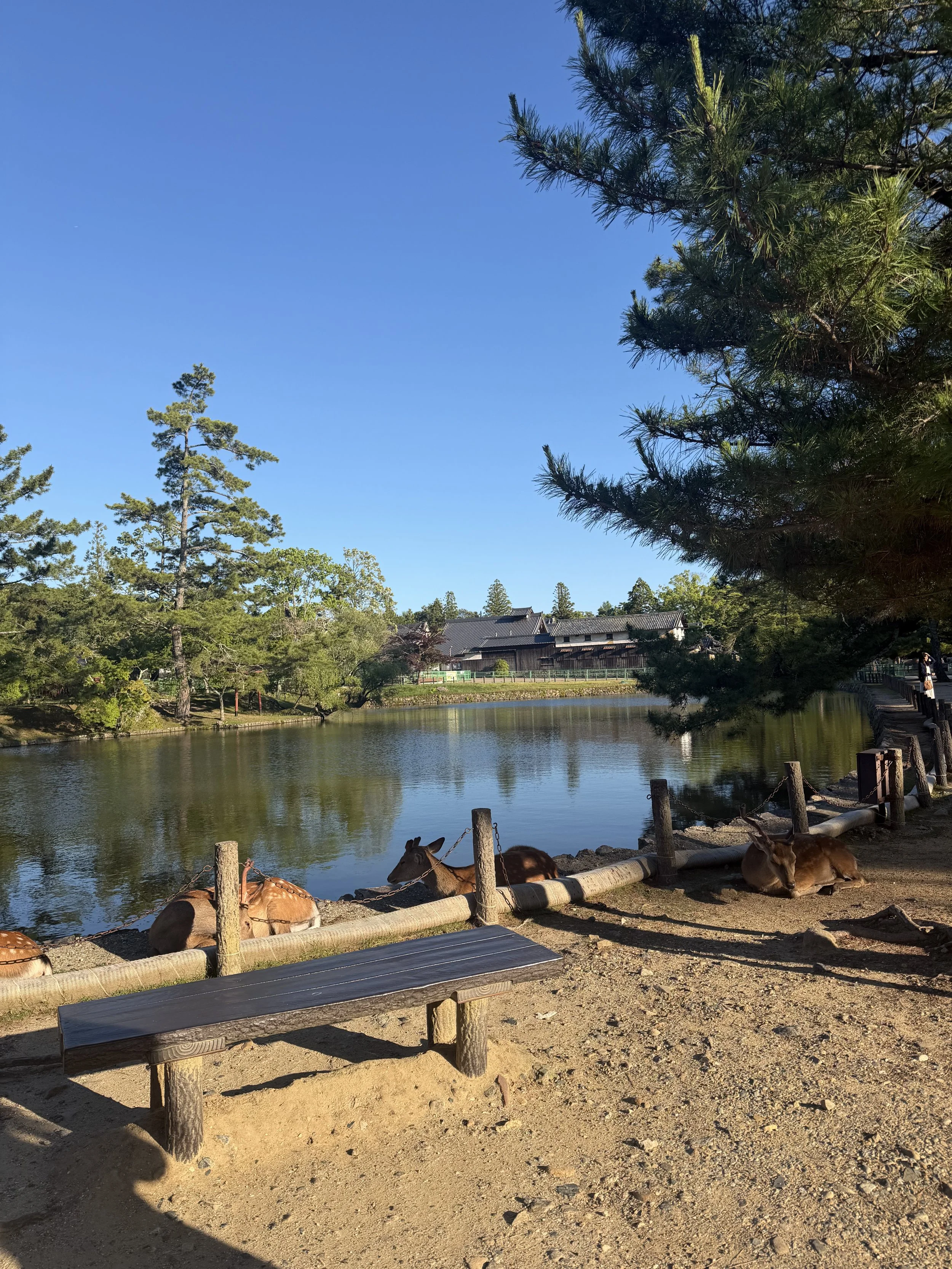
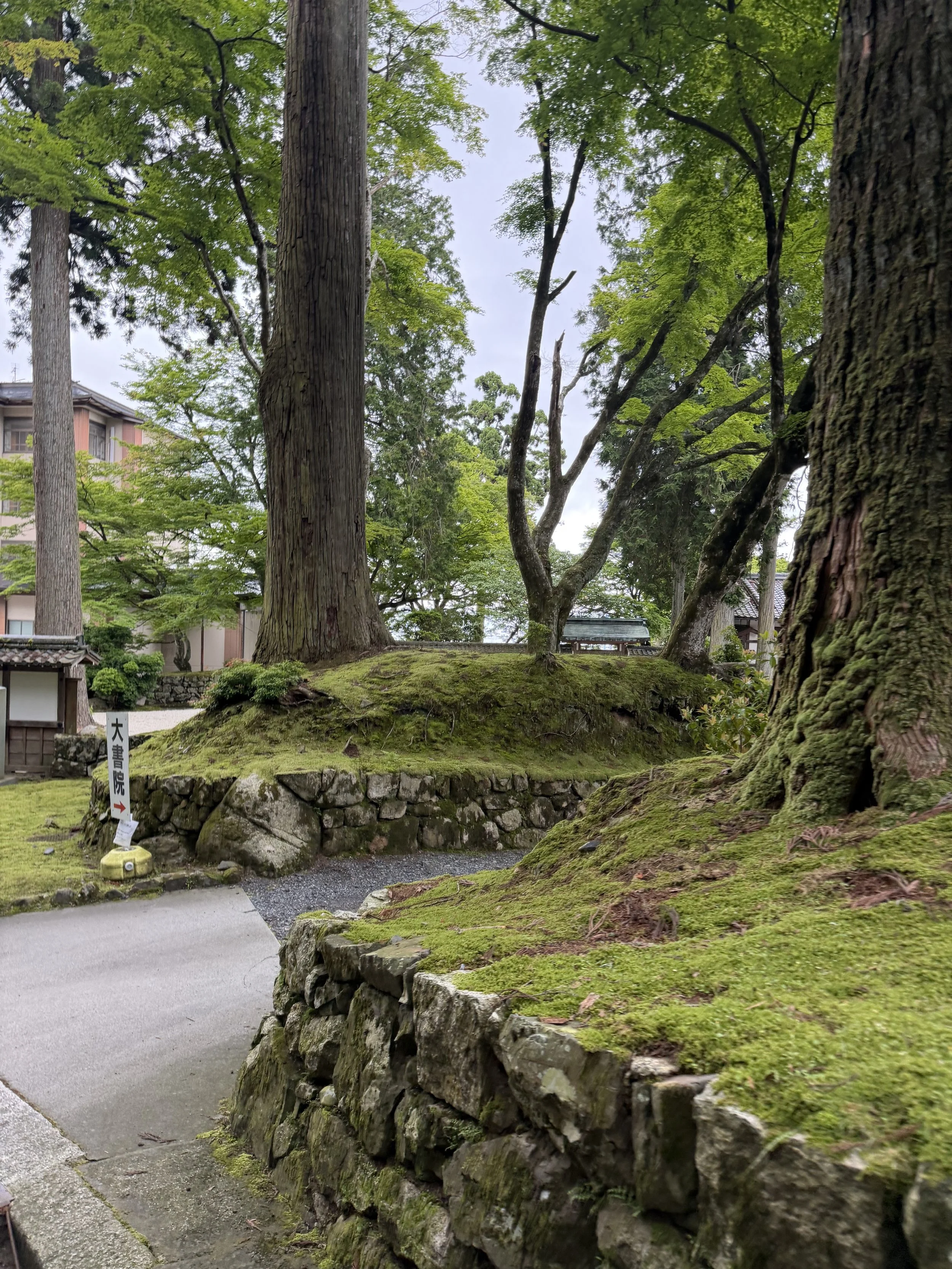
There was a quietness woven into daily life in Japan, but the Kamo River specifically became a sacred space for me. The nature and beautiful landscape was what brought me there, but the stillness brought me back again and again. What stayed with me the most, though, wasn’t the scenery.
It was the way people seemed completely present in whatever they were doing.
The mother never appeared rushed. She patiently watched her daughter splash through the river, letting her linger as long as she wanted. Each morning, the older woman made her way to the same bench at an unhurried pace. She wasn’t just singing. She was inhabiting the moment in a way I had almost forgotten was possible. Over time, those quiet mornings nudged me to question how much of my daily life I truly choose, and how much I simply move through because it has become routine or expected.
Maybe I don’t want to stay up late every night. Maybe I want to put my phone away at 9 p.m., even if it means disappointing those who always expect me to be reachable. Maybe I will make time for the things I love, even if it isn’t productive, profitable, or worth posting. Japan’s unhurried pace made me realize how limited my time here is. Now, I want to build a life around what genuinely fulfills me, rather than what looks meaningful from the outside.
I invite you to try it out. Stop living your life on autopilot. Maybe all it takes is one quiet shower, one walk without headphones, or one uninterrupted moment to turn the volume down.
You might be surprised by how much of yourself has been waiting underneath all the noise.